Whale Season is Almost Here: A Look Back at Winter in Gloucester
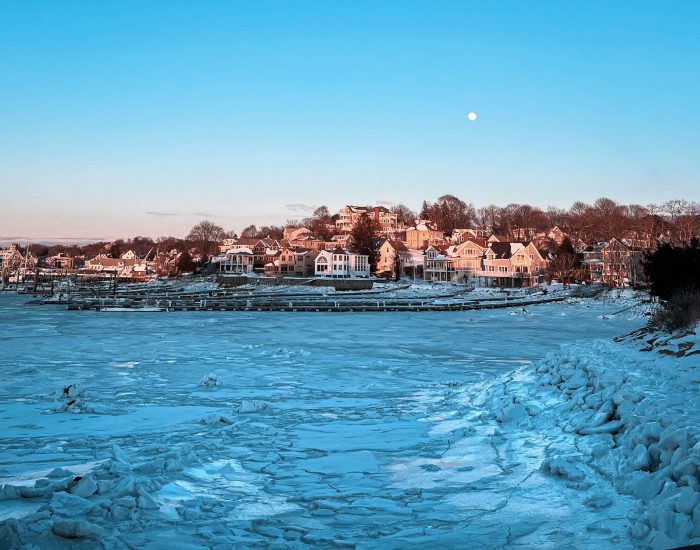

As we begin to look ahead to whale season just a couple of weeks away, it’s hard not to reflect on the winter we’ve come out of here in Gloucester. It’s difficult to compare this winter to those of centuries past, when the harbor froze solid, something preserved in black and white photographs of residents walking across the ice to Ten Pound Island and beyond. While we didn’t quite reach those extremes, the harbor, and much of coastal Massachusetts, spent days, even weeks, locked in temperatures that barely climbed above 20 degrees.
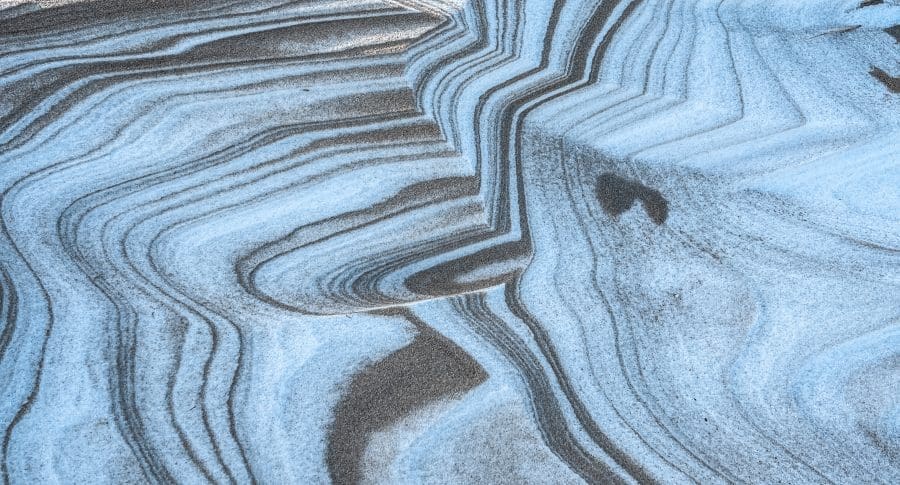
By January, even simple walks along the shoreline became small expeditions. Tall boots inevitably filled with snow upon each step. Marshes and beaches took on an Arctic feel, with ice flows layering the shoreline like tiramisu. Periods of light snow were frequent, but so were stronger systems, including one January storm that brought 27 inches of snow to Gloucester alone.
Conversations with strangers often began the same way… a nod to the weather, a question about the next storm, or whether you had a shovel. For those of us who spend most of our time on the water during the warmer months, winter is a season of contrast. The same ocean that feels alive with whales in the summer becomes quieter, but never still.
As winter gives way to spring, the first signs of the season have begun to return. Whale reports are already starting to trickle in as humpback whales make their journey north from their Caribbean breeding and calving grounds. The Center for Coastal Studies out of Provincetown, Massachusetts has already documented mother and calf pairs of humpback whales, along with North Atlantic right whales and fin whales.
So although we are not officially underway just yet, the whales are here. Goodbye winter and hello spring. For all of us New Englanders, and the phytoplankton, we’re ready to bloom.
Stay tuned for more blogs as we head into the 2026 whale season.